
A coating that insulates without the poison. A bio-based, isocyanate-free polyurethane thermal-insulation system — built from waste oils and recycled ash.
Scroll into the coating ↓Hollow cenosphere microspheres trap still air inside a tough polyurethane film — insulating the wall without a single drop of isocyanate.
Workers exposed to toxic diisocyanates in Europe: 0
Over 90% of insulation polyurethane is built on isocyanates and fossil feedstocks. Since August 2023 REACH restricts their use. NiPure removes them entirely — and keeps the performance.
Sources: European Commission · REACH Annex XVII (Aug 2023) · project state-of-the-art review
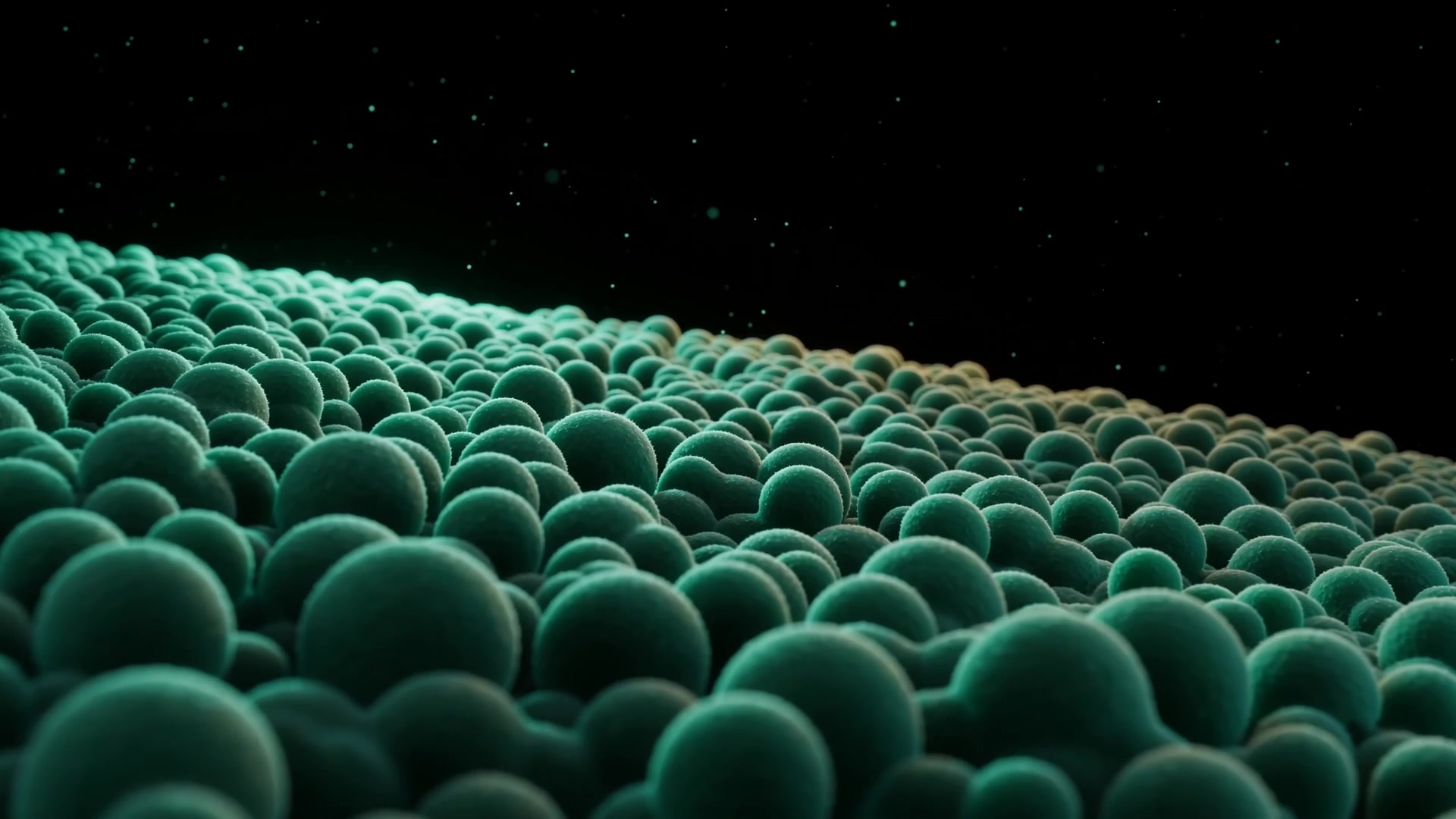
Europe's insulation industry consumes roughly 16 million tonnes of polyurethane a year, over 90% of it built on toxic isocyanates and fossil feedstocks. NiPure breaks this linear "make–use–dispose" model with a non-isocyanate polyurethane (NIPU) thermal-insulation coating that is safer to make, bio-based, and recyclable.
Instead of isocyanates and phosgene chemistry, NiPure builds its polymer from cyclic carbonates reacting with bio-based amines. The insulating power comes from hollow cenospheres — glassy microspheres recovered from power-plant fly ash — dispersed through the film to trap still air and cut heat flow.
No isocyanates. No phosgene. No compromise on performance.
The feedstocks are turned from waste into value: domestic waste cooking oils and cenospheres from thermal-power-plant ash. The result is a coating aligned with the European Green Deal and the EU Chemicals Strategy for Sustainability — REACH-compliant by design rather than by exemption.
The consortium combines Kalekim's industrial formulation and scale-up know-how with the synthesis and characterisation strength of tbw research and the National Institute of Chemistry, advancing the technology from TRL 2 toward TRL 6 across 36 months.
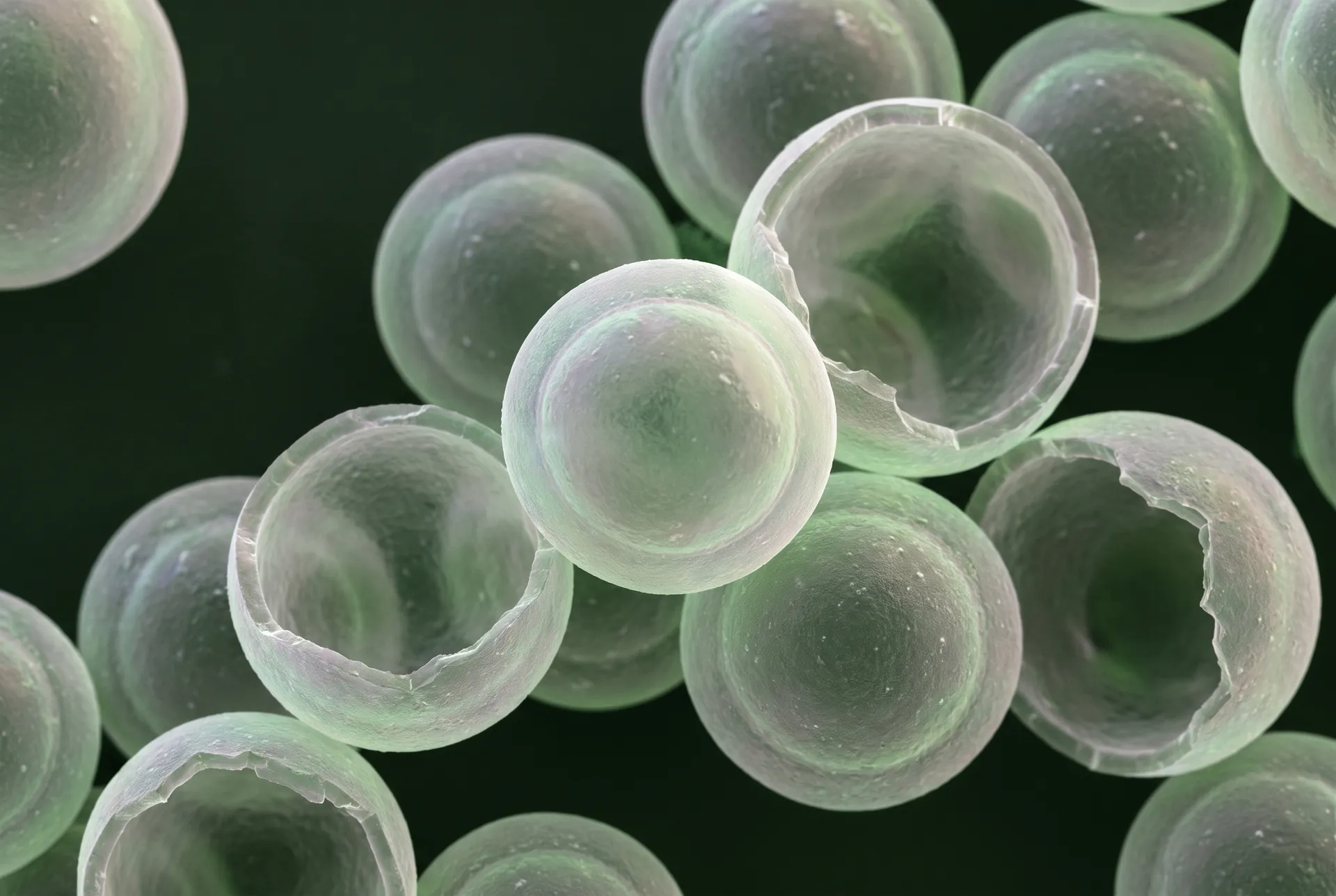
Cenospheres are microscopic, hollow glass beads left behind when coal burns in thermal power plants. NiPure recovers them from the waste stream and disperses them through the coating — each trapped pocket of still air is a tiny thermal break. A by-product becomes the very thing that stops the heat.
Conventional polyurethane forms when an isocyanate (made from amines and toxic phosgene) meets a polyol. NiPure replaces that reaction entirely: a five-membered cyclic carbonate opens under attack from a bio-based amine, forming the same durable urethane linkage — the β-hydroxy-urethane — with no isocyanate anywhere in the process.
β-hydroxy-urethane · the same tough linkage as classic PU — formed with zero isocyanate.
From M1 (May 2026) to M36 (April 2029): each work package with its lead, partners and span.
Three partners across three countries — one industrial coordinator and two research institutes. Select a name to open their profile.